The Hidden Cost of Creative Overstimulation

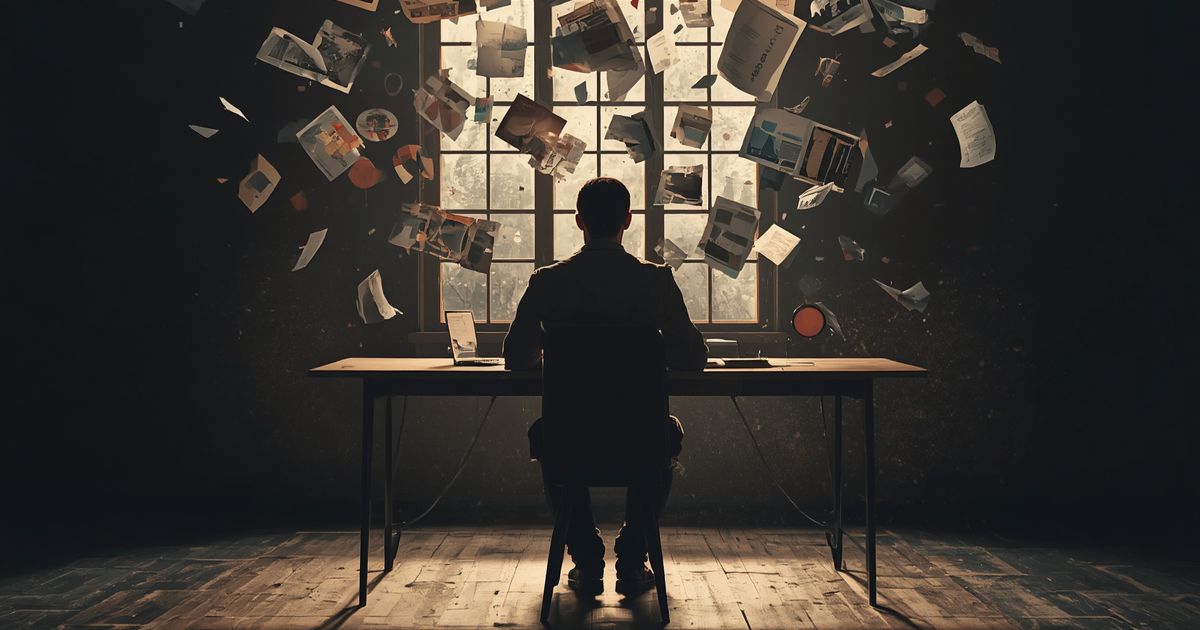
There has never been a better time to find inspiration.
Within seconds, you can browse thousands of illustrations, watch behind-the-scenes videos from artists around the world, save endless mood boards, read newsletters, listen to podcasts, and consume more creative advice than any previous generation.
Yet many creatives have never felt more stuck.
Instead of feeling inspired, they feel mentally crowded. Instead of starting new work, they spend hours gathering ideas. Instead of creating, they continue consuming.
This isn’t necessarily a lack of motivation or talent.
Often, it’s creative overstimulation.
When your mind constantly absorbs new ideas without enough time to process them, creativity becomes buried beneath mental noise. The result isn’t better work—it’s creative overload.
Understanding this pattern is the first step toward returning to calm, focused creativity.
What Is Creative Overstimulation?
Creative overstimulation happens when your brain receives more creative input than it has the capacity to organize, process, or transform into original work.
Unlike inspiration, overstimulation doesn’t energize creativity.
It competes with it.
Common sources include:
- Endless scrolling through Instagram or Pinterest
- Watching tutorial after tutorial without practicing
- Saving hundreds of creative references
- Reading multiple newsletters every day
- Following dozens of creators
- Constant notifications and digital interruptions
- Switching between multiple creative projects
Individually, these activities may seem harmless.
Combined, they create a constant stream of unfinished mental processing.
Eventually, your brain struggles to distinguish what truly matters.
Why More Inspiration Doesn’t Always Help
Many creatives believe that when they feel stuck, they simply need more inspiration.
So they consume more.
More videos.
More books.
More tutorials.
More podcasts.
More design galleries.
Ironically, this often makes the problem worse.
Creativity depends on making connections between ideas.
Those connections require quiet.
Without moments of stillness, ideas remain scattered fragments instead of becoming meaningful work.
Sometimes the next breakthrough doesn’t come from finding another idea.
It comes from giving your existing ideas room to breathe.
The Signs You’re Creatively Overloaded
Creative overstimulation doesn’t always feel dramatic.
Often it appears through subtle patterns.
You might notice:
You constantly collect ideas but rarely finish projects.
Saving inspiration becomes easier than creating something original.
Every project feels overwhelming.
Instead of clarity, every new possibility competes for your attention.
You compare yourself to everyone.
The more creators you consume, the more difficult it becomes to hear your own creative instincts.
Your attention feels fragmented.
Even short periods of focused work become difficult.
You feel mentally tired before you begin.
The exhaustion isn’t physical.
It’s cognitive.
Your brain is already carrying too much information.
Why Overstimulation Leads to Creative Block
Creative block isn’t always the absence of ideas.
Sometimes it’s an excess of them.
Imagine trying to hear one quiet conversation inside a crowded room.
That’s what creativity feels like when your attention is overloaded.
Your original ideas become drowned out by:
- unfinished inspiration
- comparison
- conflicting advice
- constant input
- fear of missing something better
Eventually, your creative brain chooses the safest option:
It pauses.
Not because you’ve lost creativity.
Because it’s trying to reduce complexity.
Creating Space for Original Thought
The goal isn’t eliminating inspiration.
It’s creating balance.
Healthy creativity follows a rhythm:
Input.
Reflection.
Creation.
Recovery.
Most creatives accidentally replace reflection with more input.
Without reflection, creativity becomes reactive instead of intentional.
Simple changes can restore this balance:
- Limit inspiration sessions instead of leaving them open-ended.
- Keep one trusted source instead of twenty.
- Schedule uninterrupted creation before content consumption.
- Leave moments of silence during your day.
- Write down ideas instead of immediately searching for new ones.
These practices aren’t about restriction.
They’re about protecting your creative attention.
Less Input Can Produce Better Work
Many of history’s most influential creators spent significant time away from constant stimulation.
They walked.
They observed.
They reflected.
They allowed ideas to mature before exposing themselves to new ones.
Today’s creative environment makes that increasingly difficult.
But the principle remains the same.
Original work often emerges from spaciousness—not saturation.
Giving yourself permission to consume less isn’t falling behind.
It’s making room for your own voice.
Building a Sustainable Creative Environment
Instead of asking:
“What else should I consume?”
Try asking:
“What can I remove?”
Small environmental changes often create meaningful improvements:
- Turn off unnecessary notifications.
- Close unused browser tabs.
- Reduce the number of creators you follow.
- Keep your workspace visually calm.
- Separate inspiration time from creation time.
- End creative sessions before exhaustion sets in.
These aren’t productivity hacks.
They’re practices that reduce unnecessary mental friction.
Creativity Needs Quiet
Stillness isn’t empty.
It’s where ideas organize themselves.
Many creatives fear silence because it feels unproductive.
Yet silence often provides what endless inspiration cannot:
clarity.
The goal isn’t becoming less curious.
It’s becoming more intentional about what you allow into your creative mind.
Sometimes protecting your creativity means consuming less—not because inspiration is bad, but because your best ideas deserve enough space to emerge.
Frequently Asked Questions
What is creative overstimulation?
Creative overstimulation occurs when constant exposure to ideas, content, and inspiration overwhelms your ability to process and create original work.
Can too much inspiration cause creative block?
Yes. Excessive creative input can create mental clutter, making it harder to organize thoughts and begin meaningful work.
How do I know if I’m creatively overloaded?
Common signs include difficulty focusing, constantly collecting ideas without creating, frequent comparison, and feeling mentally exhausted before starting projects.
How can I reduce creative overstimulation?
Reduce unnecessary digital input, create intentional periods of silence, separate inspiration from creation, and build regular reflection into your creative process.
Does consuming less content make you less creative?
Not necessarily. Many creatives find that reducing constant input gives them more space to think independently and develop original ideas.